

Choose Baby Clothes for Sensitive Skin

Table of Contents
- Why Fabric Choice Matters for Sensitive Skin
- Best Fabrics for Baby Eczema and Irritation
- Fabrics to Avoid for Sensitive Baby Skin
- The Importance of Breathability and Thermal Regulation
- Certifications to Look For: GOTS and OEKO-TEX Standards
- How to Wash Baby Clothes for Sensitive Skin
- Signs of Clothing-Related Skin Irritation in Babies
- Fit, Closures, and Hardware: Hidden Irritants
- Frequently Asked Questions
Last Updated: September 27, 2026
Why Fabric Choice Matters for Sensitive Skin
Choosing the right fabric for your baby is about far more than style or durability, especially when it comes to baby clothes sensitive skin. A baby's skin is thinner and more permeable than an adult's, making it vulnerable to irritation from harsh materials, chemical residues, and poor breathability (Skin Integrity). The fabric you select directly affects whether your little one stays comfortable, dry, and free from rashes.
Sensitive skin in babies often stems from contact dermatitis, a reaction triggered by friction, moisture buildup, or irritant fibres rubbing against delicate skin. When fabric traps sweat or lacks breathability, it creates the perfect environment for inflammation. The good news is that thoughtful fabric selection can prevent most of these issues entirely.
At Chez-Suzieaby, we prioritise fabric composition above all else. We understand that your baby's comfort and health come first. The right choice in materials can mean the difference between a peaceful day and hours of discomfort for both you and your little one.
Best Fabrics for Baby Eczema and Irritation
Organic Cotton and Breathable Fibres
Organic cotton stands as the gold standard for babies with sensitive skin. Unlike conventional cotton, which is treated with pesticides and synthetic dyes during production, organic cotton is grown without harmful chemicals and processed using gentler methods. This means fewer irritants touching your baby's skin from the very first wear.
The breathability of cotton is unmatched among natural fibres. It allows air to circulate freely, preventing moisture from pooling against the skin. Cotton also has excellent moisture-wicking properties, it pulls sweat away from the body rather than trapping it. For babies prone to eczema-prone reactions, this moisture management is essential.
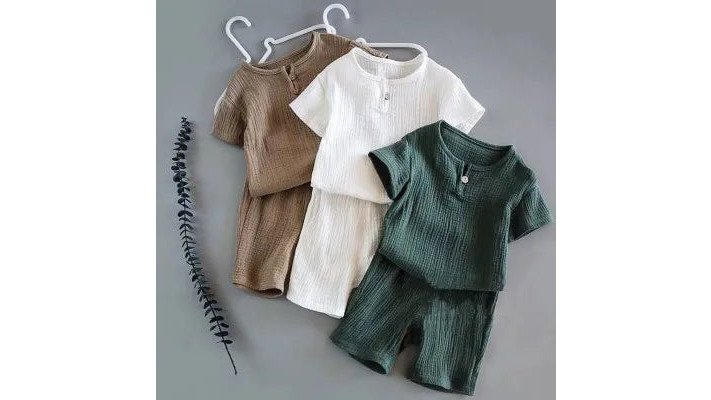
When shopping for organic cotton pieces, look for garments made from at least 95% cotton content. Our Breathable Baby Summer Two-Piece Outfit is crafted from high-grade organic cotton, offering that soft, breathable feel your baby needs. The 91-99% cotton composition ensures gentle contact with sensitive skin whilst maintaining durability through repeated washing.

Cotton's natural softness means no scratchy seams or stiff fabric to irritate delicate skin. The fabric becomes softer with every wash, adapting to your baby's needs rather than breaking down.
Bamboo Viscose and Merino Wool
Bamboo viscose offers a silky-smooth alternative for babies with severe sensitivity. Made from bamboo pulp, viscose creates an incredibly soft fibre that rarely triggers irritation. It's naturally hypoallergenic and breathes well, though not quite as effectively as cotton.
Bamboo viscose does have one advantage over cotton: it regulates temperature exceptionally well. Babies wearing bamboo viscose stay cooler in summer and warmer in winter without overheating. This thermal regulation matters because overheating can trigger eczema flare-ups.
Merino wool is another surprising choice for sensitive baby skin. Fine merino wool, specifically micron count below 20, feels soft rather than scratchy. It's naturally moisture-wicking, temperature-regulating, and antimicrobial. Merino wool doesn't retain odours or bacteria the way synthetic fabrics do, making it ideal for active babies who sweat frequently.
The key with merino is quality. Coarser wool triggers irritation. Look for "fine merino" or "superfine merino" labelled on garments.
Fabrics to Avoid for Sensitive Baby Skin
Synthetic materials like polyester, nylon, and acrylic are the primary culprits behind clothing-related skin irritation in babies. These petroleum-based fibres don't breathe. They trap heat and moisture against the skin, creating conditions where bacteria and irritants thrive.
Polyester is particularly problematic. It's used in most budget baby clothing because it's cheap and durable. But this durability comes at a cost: polyester doesn't break down easily, meaning chemical finishes and dyes stay locked into the fabric longer. Babies with contact dermatitis or eczema-prone skin often react within hours of wearing polyester.
Acrylic fibres create similar problems. They're often used in baby cardigans and knitwear because they're inexpensive. However, acrylic is less breathable than wool and synthetic, making it a poor choice for temperature regulation.
Avoid fabrics treated with flame retardants or water-resistant coatings. These chemical treatments are designed to persist through washing, meaning they stay in contact with your baby's skin indefinitely. For babies with chemical sensitivity, even tiny amounts can trigger reactions.
Natural fabrics treated with harsh dyes are also problematic. Look for garments dyed with natural dyes or low-impact synthetic dyes that meet environmental standards. Untreated or minimally dyed fabrics are always safer for sensitive skin.
The Importance of Breathability and Thermal Regulation
Breathability isn't just comfort, it's essential for preventing skin irritation. When fabric doesn't allow air circulation, sweat and heat build up. This moisture creates an ideal breeding ground for bacteria and fungal growth. For babies with eczema-prone skin or contact dermatitis, this environment triggers flare-ups within hours.
Breathable Baby Summer Two-Piece Outfit →
Breathable fibres like organic cotton, bamboo viscose, and fine merino wool allow air to pass through the weave. This keeps your baby's skin dry and at the right temperature. Moisture-wicking is equally important: the fabric should pull sweat away from the body rather than absorbing it.
Thermal regulation matters because overheating is a common eczema trigger. Babies can't regulate their own temperature as effectively as adults. If clothing traps too much heat, their core temperature rises, triggering sweating and irritation. Natural fibres adapt to your baby's body temperature, keeping them comfortable without overheating.
Layering with breathable materials gives you control over temperature without relying on heavy fabrics. A breathable base layer under a light organic cotton cardigan allows you to adjust warmth as needed.
Certifications to Look For: GOTS and OEKO-TEX Standards
Certifications tell you whether a fabric has been tested and verified for safety and quality. Two certifications matter most for babies with sensitive skin.
GOTS (Global Organic Textile Standard) certifies that fabric is made from organic fibres and processed without harmful chemicals. GOTS-certified garments are free from synthetic pesticides, heavy metals, and toxic dyes. The certification covers the entire supply chain, from farming through manufacturing to finished product. If a garment carries the GOTS label, you know the organic cotton or wool inside is genuinely organic.
OEKO-TEX Standard 100 tests finished garments for harmful substances. This certification verifies that the fabric, dyes, and finishes meet strict safety limits for substances that could irritate skin. OEKO-TEX testing is particularly valuable because it covers chemical residues that might remain after manufacturing.
Look for both certifications when possible. A garment with GOTS certification guarantees organic materials. OEKO-TEX certification confirms those materials have been tested for safety. Together, they provide the strongest assurance that the fabric is genuinely gentle on sensitive skin.
Certifications aren't marketing, they're independent verification. Brands that don't display them often haven't submitted their products for testing, which raises questions about what they're hiding.
How to Wash Baby Clothes for Sensitive Skin
Washing is where many parents accidentally trigger skin irritation. Harsh detergents, fabric softeners, and high heat can strip away the natural softness of fabric and leave chemical residues behind.
Use fragrance-free detergent specifically formulated for baby clothes sensitive skin. Standard laundry detergents contain perfumes and brightening agents that irritate eczema-prone skin.
Signs of Clothing-Related Skin Irritation in Babies
Learning to recognise clothing-related irritation helps you act quickly before it worsens. The most common sign is a rash in areas where fabric makes tight contact: around the neck from tags, at the waistband, or along seams.
Fit, Closures, and Hardware: Hidden Irritants
Parents often focus on fabric and forget that fit, seams, and closures matter just as much. Tight elastic around the neck, waist, or legs creates pressure and friction that irritates sensitive skin. Loose clothing allows air circulation and prevents moisture buildup.
Frequently Asked Questions
Should babies with eczema wear 100% cotton?
100% organic cotton is often an excellent choice for babies with eczema-prone skin, provided it's pesticide-free and certified. However, the specific certification matters more than the percentage alone. Look for GOTS-certified organic cotton, which guarantees the fabric is free from synthetic pesticides and chemical residues. Some babies also benefit from bamboo viscose or merino wool blends. The key is choosing breathable fibres that don't trap moisture against the skin barrier, which can worsen contact dermatitis and eczema flare-ups.
How should I wash new baby clothes to prevent skin irritation?
Wash new baby clothes before the first wear using fragrance-free detergent and cool water. Avoid fabric softener, which leaves residues that irritate sensitive skin. Use a gentle laundry cycle and rinse twice to remove all detergent traces. Dry on a low heat setting or air dry to preserve fabric softness. For babies with active eczema, consider using a hypoallergenic, dermatologist-tested detergent specifically formulated for sensitive skin. Washing at 30-40°C is sufficient for most baby clothes and reduces wear.
What are the best fabrics for babies with sensitive skin?
Organic cotton, bamboo viscose, and merino wool are among the best choices for sensitive baby skin. Organic cotton is breathable, hypoallergenic, and naturally free from pesticides when GOTS certified. Bamboo viscose offers excellent moisture-wicking and softness, helping regulate body temperature. Merino wool provides thermal regulation without the scratchiness of conventional wool. Avoid synthetic fabrics like polyester and nylon, which trap heat and moisture, creating conditions that worsen eczema and contact dermatitis. Always check for OEKO-TEX certification to ensure the fabric is free from harmful chemical residues.
How can I tell if my baby's clothes are causing a skin reaction?
Watch for red patches, rashes, or persistent itching in areas where clothing makes contact, particularly around seams, cuffs, and the neckline. Your baby may scratch excessively or show signs of discomfort when wearing certain items. If you notice these signs of clothing-related skin irritation, switch to softer, breathable fabrics immediately. Keep a note of which garments trigger reactions, often it's synthetic materials, rough seams, or items washed in fragrant detergent. If irritation persists beyond a few days after changing clothes, consult a health visitor or dermatologist to rule out other causes.