

Is Barefoot Play Good for Toddler Development?

Last Updated: November 12, 2026
Quick Summary
Yes, in most cases barefoot play is good for toddler development. Bare feet give a child rich sensory feedback from the ground, which helps the body learn balance, coordination and how to move. Benefits are well supported in principle, though direct evidence in toddlers is limited.
- Bare feet send constant signals about ground firmness, slope and weight, aiding proprioception.
- Thin, flexible soles let small foot muscles work as they should.
- The sole's dense nerve endings give the brain useful information with each step.
- Check outdoor ground for glass, sharp stones and hot tarmac before barefoot play.
- Use shoes on rough ground, in cold weather, or where hazards exist.
Table of Contents
- What Barefoot Play Does for a Toddler's Body and Senses
- The Benefits of Barefoot Play for Toddlers: What the Evidence Shows
- Age-Specific Guidance: When Toddlers Are Ready for Barefoot Play
- Indoor Versus Outdoor Play and Choosing a Safe Surface
- Toddler Barefoot Play Safety: Hygiene, Temperature and Injury Risks
- Best Shoes for Toddlers Learning to Walk and When to Wear Them
- Building a Safe Barefoot Play Routine at Home
- Frequently Asked Questions
What Barefoot Play Does for a Toddler's Body and Senses
Parents often ask whether barefoot play is good for toddler development. The short answer is yes, in most cases. Bare feet give a toddler rich sensory feedback, and that feedback helps the body learn how to move.
Barefoot play means letting a child walk, crawl, climb and run with nothing on their feet, on safe and suitable ground. It is not about going without shoes all the time. It is about giving little feet a chance to feel the world directly.
Balance, coordination and proprioception
Proprioception is the body's sense of where it is in space. Bare feet send constant signals about the ground: how firm it is, how it slopes and where weight is landing.
Foot muscles, arches and sensory feedback
Thin, flexible soles let the small muscles in the foot work as they should. Feet also hold a dense network of nerve endings, so each step gives the brain useful information.
The Benefits of Barefoot Play for Toddlers: What the Evidence Shows
Barefoot play is often recommended, but the evidence behind it varies in strength. Some claims rest on well-understood developmental principles; others come from small studies or from research on adults and are being extended to toddlers by analogy. Knowing which is which helps you decide how much weight to put on each benefit.
Well-established principles. These follow from how feet and movement develop and are not seriously disputed:
- The sole of the foot is densely supplied with nerve endings, so bare skin gives the brain far more information about the ground than a thick sole does.
- Balance is a skill built from practice: a toddler who feels the ground through their feet gets faster, more accurate feedback to correct a wobble.
- Foot muscles respond to use, and a foot that is free to flex and grip does more work than one held in a stiff shoe.
Plausible but less certain. These are commonly described and fit with the principles above, but the direct evidence in toddlers is limited:
- That barefoot play produces measurably better arches or a permanently more efficient walking pattern.
- That it improves concentration or cognitive performance beyond the general benefit of active play.
- That a set amount of barefoot time per day is needed to see a difference.
A common pattern in the research is that studies are small, short, or observational, and often compare shod and unshod walking in adults rather than in children still learning to walk. That does not make the advice wrong; it means the benefits are best treated as well-supported in principle rather than proven in every detail.
For general guidance on how much active play young children need, the NHS guidance on physical activity for children under five is a sensible starting point, and barefoot movement counts towards it.
Be sceptical of any source that promises barefoot play will 'fix' flat feet, correct gait or boost intelligence. A toddler with a genuine concern needs a clinician.
Age-Specific Guidance: When Toddlers Are Ready for Barefoot Play
Not every stage suits barefoot play in the same way. Babies who are not yet walking benefit from bare feet on a soft blanket or play mat.
Developmental readiness matters more than age alone. Look for these signs:
- The child can stand and take steps while holding on to furniture
- The child walks with some confidence on flat floors
- The child can lift their feet to step over small obstacles
A child who is still very unsteady may need firmer protection when moving outside. Watch the child closely and adjust as their skills grow.
Indoor Versus Outdoor Play and Choosing a Safe Surface
Indoor barefoot play on a clean floor, rug or play mat is usually the easiest place to start. Outdoors, grass and soft sand offer good sensory variety. Gravel, broken paving, hot tarmac and wet, slippery stone can cause cuts, bruises or slips.
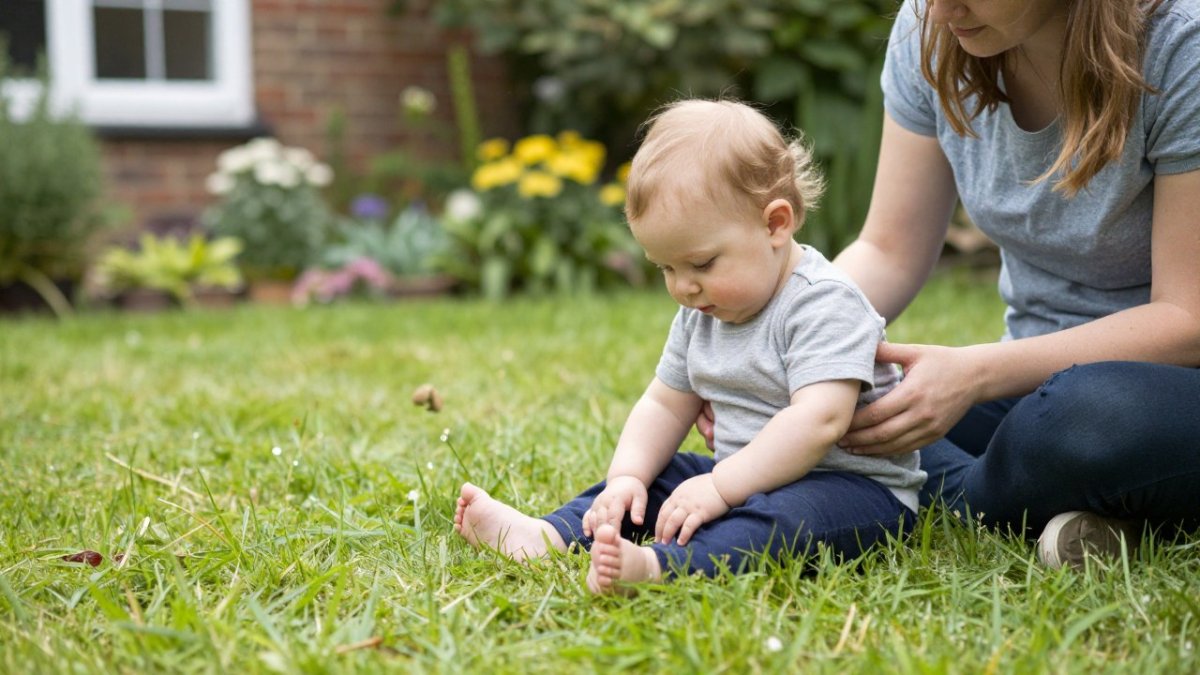
Before letting a toddler go barefoot outside, check the ground for sharp objects, glass, litter and animal mess. Choose flat, even areas for the first sessions.
Toddler Barefoot Play Safety: Hygiene, Temperature and Injury Risks
Most barefoot injuries are minor and preventable. The risks fall into four groups, and each has a simple countermeasure.
Cuts, splinters and puncture wounds. Glass, sharp stones, thorns and stray nails are the main outdoor hazards. Sweep or scan the area by eye and by hand before a toddler walks on it, and keep barefoot play to grass, sand, smooth paving or clean indoor floors. Check the soles and between the toes afterwards; a splinter that is not removed can become infected within a day or two. Because even a careful scan cannot rule out every sharp object, sturdy shoes can offer another layer of protection when toddlers play on rougher ground, as Tots & Trends by Morgan notes.
Burns and cold. Ground temperature is not the same as air temperature. Dark tarmac, sand, decking and metal can become uncomfortably hot on a sunny day even when the air feels mild, and a toddler's skin is thinner than an adult's. Test any surface with the back of your hand for a few seconds before letting a child walk on it. In cold weather, bare feet lose heat quickly; keep outdoor barefoot sessions short and move indoors when toes look pale or feel cold to the touch.
Slips, trips and falls. Wet stone, smooth decking, moss and loose gravel are the usual culprits. Choose flat, even ground for early sessions and stay within arm's reach near steps, slopes, ponds and play equipment.
Hygiene and infection. Outdoor ground can carry animal mess, soil bacteria and fungal spores. Wash feet with soap and water after outdoor play, dry carefully between the toes, and keep any cut, blister or rash covered until it has healed. A toddler with a verruca, athlete's foot or an open wound should keep that foot covered and out of shared barefoot areas.
A practical after-play check takes under a minute:
- Look at the soles, heels and between the toes for cuts, splinters, redness or swelling.
- Feel for hot spots or tender areas.
- Wash and dry the feet if they have touched soil or sand.
- Note anything that looks unusual and check it again the next day.
Watch out: a cut that becomes red, warm, swollen or weepy, or a child who limps or refuses to weight-bear, needs advice from a clinician rather than home treatment.
A simple rule of thumb covers most situations: if you would not want to walk on the surface yourself without shoes, do not let your toddler walk on it barefoot either.
Best Shoes for Toddlers Learning to Walk and When to Wear Them
Shoes still matter. Most toddlers need them outdoors on rough ground, in cold weather, or in places with hazards. The best choice is usually a light, flexible shoe that bends easily and does not add much bulk.
Here is how the options compare:
| Option | Best for | Key feature |
|---|---|---|
| Flexible-sole walking shoe | Learning to walk | Bends with the foot |
| Non-slip soft-soled shoe | Indoor and playground use | Grip on smooth floors |
| Breathable mesh sneaker | Warm weather | Keeps feet cool |
The Flexible Sole Toddler Shoes | Lightweight Baby Shoes, priced at £17.20, have a soft cotton cloth upper and a Velcro strap, and a flexible sole. For slippery floors, the Best Non-Slip Shoes For Toddlers | Safe And Soft-Soled Shoes For Baby at £17.02 offer a soft-soled, non-slip option. The Best Barefoot Shoes For Toddlers | Affordable Wide Width Kids Sneakers at £33.25 are a flexible-soled option for outdoor use. Parents who want breathable comfort for summer can also consider the Unisex Soft Bottom Casual Mesh Sneakers at £23.17.
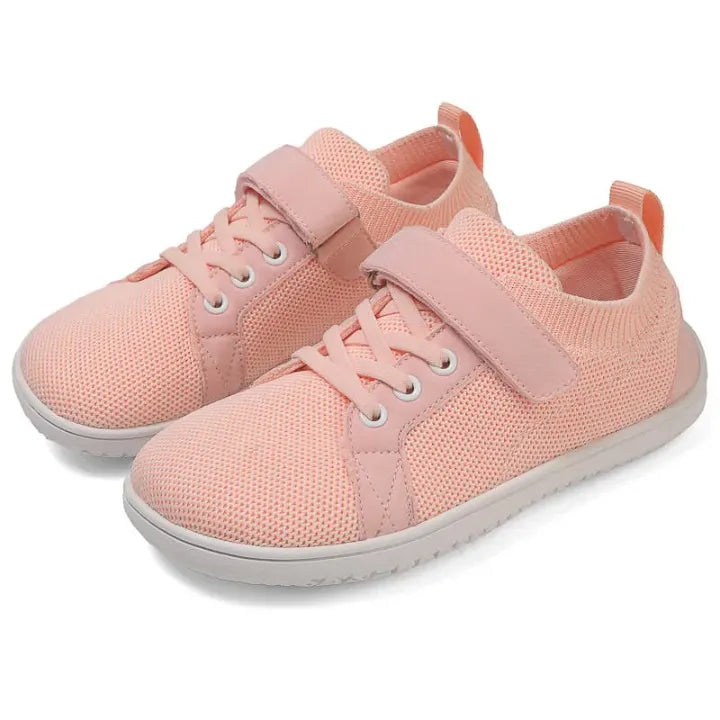
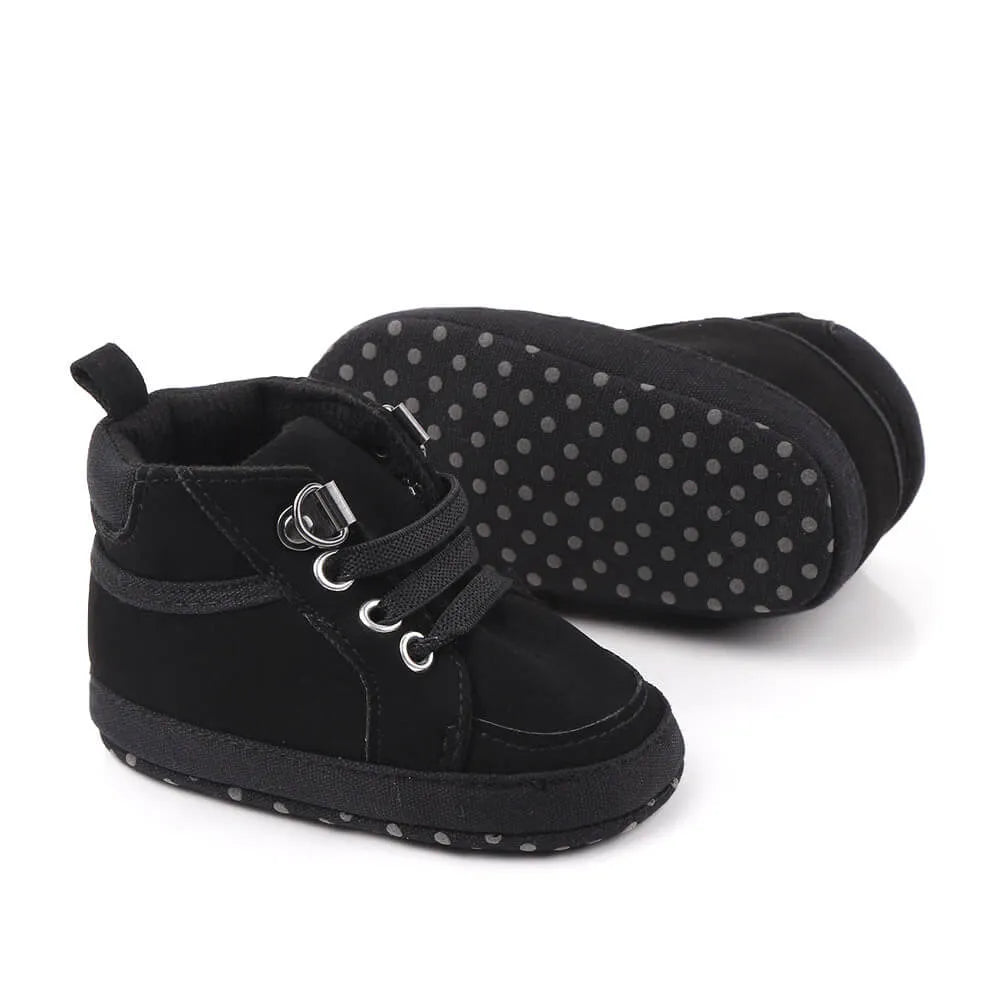
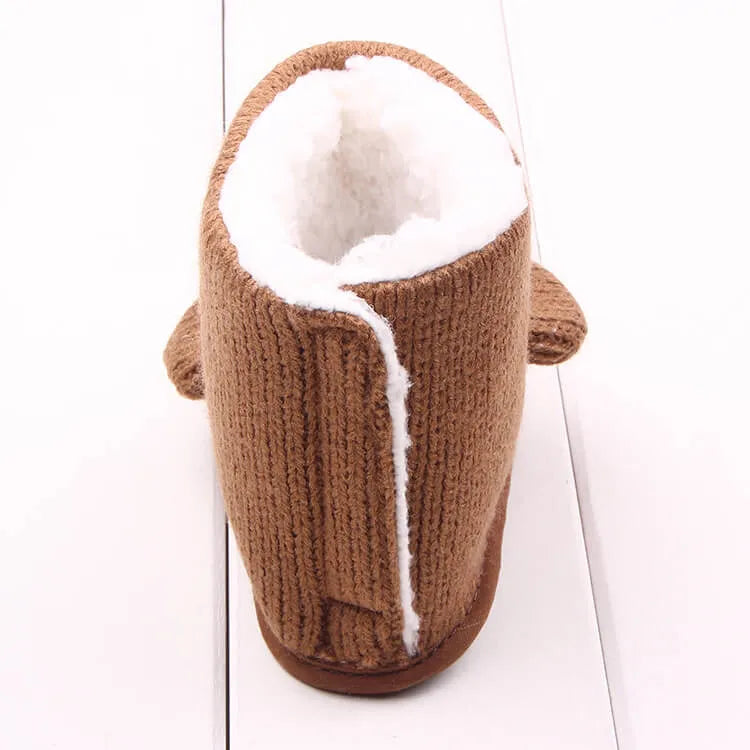
Shoes do not replace barefoot time. They are simply the right choice when conditions call for protection.
Shoe prices in the article's shoe options
Building a Safe Barefoot Play Routine at Home
A simple routine makes barefoot play easier to fit into the week. Start small and build up.
- Pick a clean, flat indoor space, such as a rug or play mat
- Start with 10 to 15 minutes of supervised barefoot play
- Add simple tasks, like walking over cushions or climbing low steps
- Move outdoors to a grassy, flat area once your child is steady
- Check feet afterwards and wash them if they have touched dirty ground
Keep sessions short and enjoyable. A toddler who feels safe and happy will explore more, which is what supports development in the first place.
For more on choosing durable, practical clothing for active children, see our guide to Durable Clothes For Fast Growing Toddlers. It covers fabrics and fits that suit messy, active play.
Frequently Asked Questions
Is barefoot play good for toddler development?
For most toddlers who are already walking, regular supervised barefoot play on safe, even surfaces is a useful part of development. It gives the feet varied sensory feedback, which can support balance, body awareness and foot muscle strength. The evidence is mostly observational and small in scale, so it is best treated as a helpful addition to active play rather than a guaranteed developmental boost. Choose safe surfaces, check for hazards and stop if the child seems uncomfortable.
Should toddlers wear shoes when learning to walk?
Many toddlers learning to walk do well indoors barefoot or in thin, flexible soled shoes that let the foot move naturally. Outdoors, or on rough, hot or cold ground, shoes give better protection from cuts, splinters and temperature. A flexible, lightweight shoe with a non-slip sole, such as the Flexible Sole Toddler Shoes at £17.20, suits many children at this stage. Choose a shoe with a flexible sole and a snug fit at the heel.
When should toddlers wear shoes instead of going barefoot?
Toddlers should wear shoes outdoors on gravel, pavements, play areas with broken glass or sharp debris, and in very hot or cold conditions. Shoes are also sensible on uneven ground, in places with animals or litter, and when visiting public spaces where foot hygiene is a concern. Indoors on clean, flat floors, bare feet are usually fine. Protective footwear is a practical choice whenever the surface is unknown or unsafe.
How can I make barefoot play safer for my toddler?
Start with a clean, flat, soft surface such as grass or a rubber play mat, and remove sharp objects before play. Check the ground for glass, stones and debris, and keep sessions short at first. Supervise closely, avoid very hot pavements and sand, and wash feet afterwards. If your child has a foot condition, a wound or unusual pain, ask a GP or health visitor before continuing.
