

Best Sustainable Baby Clothing Brands UK 2026

Table of Contents
- What Makes Baby Clothing Sustainable? Criteria That Matter
- Comparison Table: Sustainable Baby Clothing Brands at a Glance
- Organic Baby Clothes: Softness, Safety, and Skin-Friendly Fabrics
- Ethical Baby Clothing Brands: Manufacturing, Fair Trade, and Supply Chain Transparency
- Circular Kids Clothing Brands: Repair, Resale, and Take-Back Options
- Second-Hand Baby Clothes: How to Buy Pre-Loved and Save
- Price, Value, and Cost Per Wear: What You Actually Pay For
- Sizing, Fit, and Age-Range Comparison
- Frequently Asked Questions
Last Updated: October 17, 2026
What Makes Baby Clothing Sustainable? Criteria That Matter
Sustainable baby clothing is apparel made in a way that limits environmental harm and treats the people who make it fairly, from fibre choice through to how the garment washes and wears.
The best sustainable baby clothing brands in the UK are judged on evidence, not adjectives.
Below, we break down the criteria that separate the two, then show how our own range measures against them.
Certifications to Look For
Certification is the fastest way to verify a claim you cannot see for yourself, but not all certificates cover the same ground. The Global Organic Textile Standard covers organic fibre content plus chemical and social criteria across the whole processing chain, from gin to finished garment. The Soil Association organic standards certify organic textiles sold in the UK and are the mark most shoppers recognise on a British label. For safety, look for garments rated to Class A under the UK textile safety guidance on children's clothing, the strictest band for items worn next to an infant's skin.
Ask three questions of any brand: which certifier, which standard, and which stage of production it covers. A GOTS certificate on a finished garment tells you the whole chain was checked; an organic-fibre certificate on the yarn alone tells you nothing about dyeing or sewing. Vague answers usually mean no certification at all.
How to Compare Two Brands Side by Side
Broad eco-friendly language is impossible to compare, so reduce every brand to four checkable facts and put them in the same order.
- Fibre composition, as a percentage. "95% cotton, 5% elastane" is a fact; "soft cotton blend" is not. Higher cotton content generally means more breathability, while a small elastane share buys stretch and shape retention.
- Certification, with scope. Note the certifier, the standard and whether it covers fibre, processing, or the full supply chain. A brand with GOTS on the garment is verifiable at every stage; a brand with an organic-fibre certificate only is verified at the farm.
- Safety rating. Class A is the band to look for on newborn skin. General-wear ratings are fine for outer layers but tell you less about next-to-skin safety.
- Manufacturing disclosure. Does the brand name the country, the factory, or an audit? A country of manufacture is a start; a named factory with an audit is accountability.
Two brands can both call themselves sustainable and score very differently on those four lines. The comparison, not the slogan, is the useful part.
Material Trade-Offs and Care Impacts
Organic cotton uses less synthetic pesticide than conventional cotton, but it still takes water to grow and dye. Recycled fibres cut waste, though they are often blended with polyester, which sheds microplastics in the wash. Neither option is perfect.

Care matters as much as composition. Washing cooler, washing less often and line drying extends garment life more than any single fibre choice.
Comparison Table: Sustainable Baby Clothing Brands at a Glance
Here is how our range compares on the measures that decide value: fibre content, safety rating, size span and price.
| Product | Fibre Content | Safety Rating | Size Range | Price |
|---|---|---|---|---|
| Gender Neutral Baby Onesies | 95% cotton | General wear | Newborn+ | £25.90 |
| Breathable Summer Two-Piece Outfit | 91-99% cotton | General wear | 0-7 years | £17.56 |
| Comfortable Cotton Infant Jumpsuit | Premium cotton | General wear | 0-1.5 years | £23.38 |
| Long Sleeve Baby Romper | 95% cotton, 5% elastane | Class A | 59-90cm | £21.26 |
| Sleeveless Summer Cotton Romper | 100% cotton knit | Class A | Newborn-9 months | £21.33 |
| Soft Pure Cotton Newborn Set | 100% cotton | Class A | 52-59cm | £17.93 |
| Spring & Autumn Fox/Bear Romper | 100% cotton | General wear | 59-100cm | £29.11 |
| Children's Cotton Socks (5 pairs) | Cotton and spandex | General wear | 0-6 years | £13.86 |
The pattern is clear: our Class A rated pieces cluster around £18-£21, which puts certified skin-safe construction at the lower end of our own price band.

Organic Baby Clothes: Softness, Safety, and Skin-Friendly Fabrics
Organic baby clothes matter most for one reason: a baby's skin is thinner and more absorbent than an adult's, so what sits against it deserves scrutiny. Fabric composition tells you more about comfort than any softness claim on a product page.
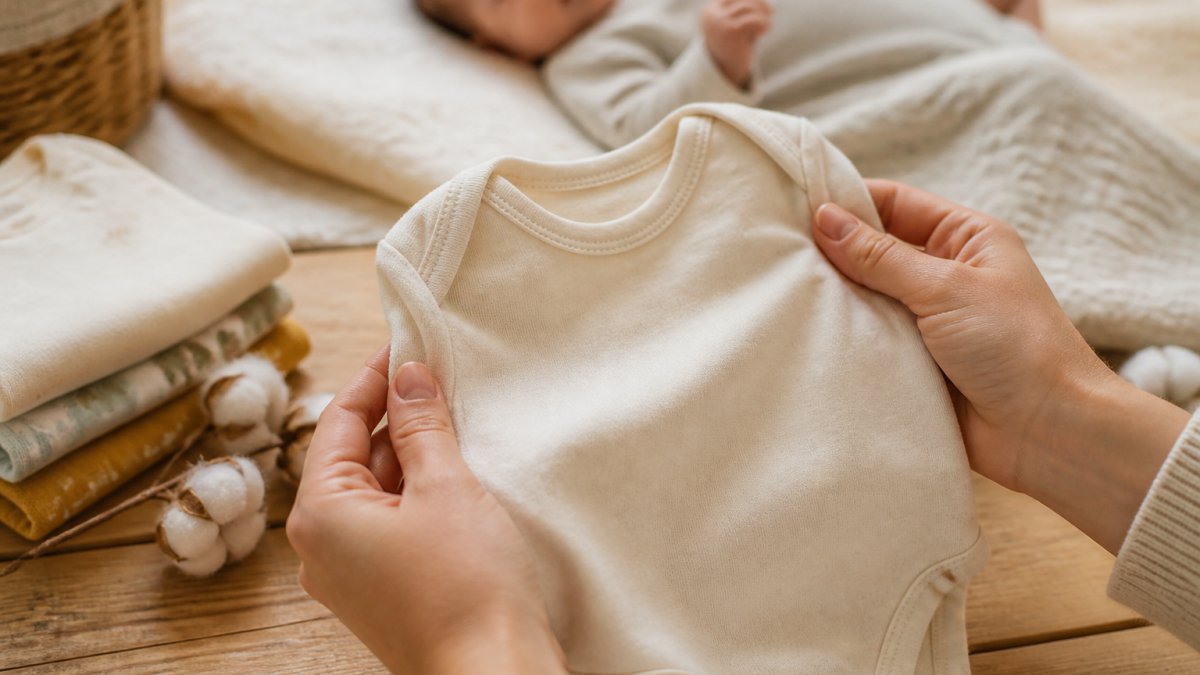
Our organic cotton baby onesies are 95% cotton with a general thickness that works across seasons. The long sleeve baby romper adds 5% elastane for stretch and carries a Class A safety rating, which is the one we would choose for a newborn's first weeks.
Cotton Composition and Comfort
Higher cotton content generally means better breathability and less heat trapping. Our sleeveless summer romper is 100% cotton knit, which is why it suits warm rooms and layered sleep. Blends with a small elastane share trade a little breathability for stretch and shape retention, a fair swap for a wriggling toddler.
Safety Standards for Delicate Skin
Class A is the rating to look for on anything worn against newborn skin. It restricts harmful substances, dyes and rough finishing. Our Class A pieces include the sleeveless romper, the long sleeve romper and the monk style newborn set, each tested for skin contact.
Ethical Baby Clothing Brands: Manufacturing, Fair Trade, and Supply Chain Transparency
Ethical baby clothing brands are those that can name who made the garment and under what conditions.
Fair trade and responsibly made claims should come with a certifier attached. Without one, treat the phrase as aspiration rather than assurance.
Our own position is simple. We state fibre percentages and safety ratings on every listing, and we tell you when sizing runs small rather than letting you find out at the returns stage.
Circular Kids Clothing Brands: Repair, Resale, and Take-Back Options
Circular kids clothing brands design for a second and third life, through repair, resale or take-back schemes. The logic is straightforward: the greenest garment is the one already made.
Gender Neutral Baby Onesies | Organic Cotton Baby Onesies →
Children outgrow clothes long before they wear them out, which makes resale and hand-me-downs the highest-impact choice available to most families.
Repair is the other half. Replacing a snapped popper or patching a knee costs far less than a new garment and keeps usable fabric in circulation.
Second-Hand Baby Clothes: How to Buy Pre-Loved and Save
Second-hand baby clothes are the single cheapest route to a sustainable wardrobe, and often the highest quality per pound.
Check four things before buying: fibre label, seam condition at the crotch and cuffs, popper and button function, and whether stains sit in the fabric or on the surface.
Wash pre-loved items on a warm cycle before first wear. Most good-quality cotton garments improve with washing, softening without thinning.
Price, Value, and Cost Per Wear: What You Actually Pay For
Cost per wear is the only price comparison that means anything for children's clothing. Divide the price by the realistic number of wears before outgrowing, and premium pieces often come out cheaper. The catch is that most guides stop at the formula. Here is the arithmetic worked through, plus the price bands to expect and the resale value that changes the answer.
Worked Cost-Per-Wear Examples
Take a £17.56 two-piece summer outfit worn twice a week for a six-month season, roughly 50 wears, and the cost per wear is about 35p.
The bigger lever is hand-down. A neutral 100% cotton romper passed through two children doubles its wear count and halves its cost per wear again. That is why classic shapes and unisex colours beat trend-led prints on value as well as on circularity.
Price Bands to Expect
Across the UK market, sustainable baby clothing tends to fall into three rough bands. Budget pieces, often multipacks of bodysuits and socks, sit under about £15. Mid-range single garments, where most certified organic cotton sits, run roughly £15-£30. Premium and heirloom pieces, often with full supply-chain certification, run £30 and up. Our own range sits mostly in the mid band: Class A rated pieces cluster around £18-£21, which puts certified skin-safe construction at the lower end of our own price band.
What the Extra Spend Actually Buys
Higher prices buy certified safety, verified fibre content and construction that survives repeated washing. They also buy resale value: a well-made neutral romper holds enough of its price to be worth listing second-hand, while a fashion-led print often does not. Factor that recovery into the comparison and the gap between mid-range and budget narrows.
A Simple Buying Test
Before buying, ask three questions. How many wears will this realistically get before it is outgrown? Will it survive to a second child or a resale listing? And does the price include a certification you can check? A garment that scores well on all three is the better buy, whatever the ticket price says.
Sizing, Fit, and Age-Range Comparison
Sizing is where most clothing budgets leak. Our garments follow Asian sizing standards, which typically run one to two sizes smaller than European equivalents, so we publish height and weight charts and recommend sizing up between sizes. Measure your child rather than trusting the age on the label.
| Product | Recommended Ages |
|---|---|
| Newborn Monk Style Set | Newborn |
| Long Sleeve Romper | 0-18 months |
| Infant Jumpsuit | 0-1.5 years |
| Fox and Bear Romper | 0-4 years |
| Two-Piece Summer Outfit | 0-7 years |
If your child sits between two sizes, take the larger one. Room to grow beats a garment that fits for six weeks.
Frequently Asked Questions
What should I look for when buying sustainable baby clothes?
Look for certifications such as GOTS for organic cotton and Fair Trade for ethical manufacturing. Check fabric composition: high cotton content (95% or more) is breathable and gentle on delicate skin. Consider durability and washability, as long-lasting clothing reduces waste. Price per wear matters more than initial cost.
Are organic baby clothes better for babies with sensitive skin?
Organic cotton is grown without synthetic pesticides and processed without harsh chemicals, which can reduce irritation for babies with sensitive skin. It is also breathable and soft. However, look for safety certifications like Class A (if available) and check that dyes are non-toxic. Organic baby clothes from brands like Chez-Suzieaby use high cotton percentages and gentle fabrics, making them a suitable choice for delicate skin.
How can I tell whether a baby clothing brand is ethical?
Check for third-party certifications such as Fair Trade, GOTS, or B Corp. If a brand makes vague claims without evidence, be cautious.
Are second-hand baby clothes more sustainable?
Yes, second-hand baby clothes extend the life of garments and reduce demand for new production, lowering environmental impact. They are often cheaper and can be found in good condition since babies outgrow clothes quickly. However, check for wear and tear, and wash thoroughly before use. Combining second-hand with new organic pieces can balance sustainability and convenience.
What fabrics are best for sustainable baby clothes?
Organic cotton is a top choice: it is breathable, soft, and durable. Other natural fibres like linen and hemp are also sustainable but may be less common in baby clothing. Avoid synthetic fabrics like polyester, which shed microplastics and are less breathable. Look for high cotton content (95% or more) and certifications like GOTS. Also consider fabric weight and weave for comfort and longevity.
Choosing well means asking harder questions than most labels invite: what is the fibre percentage, which certifier signed it off, and how many children will wear it before it wears out. That is the standard we hold our own range to at Chez-Suzieaby, from Class A rated cotton rompers to breathable everyday basics and the small extras that make a wardrobe work. Browse our baby and children's clothing range and add to cart with a clearer idea of what you are paying for.