

How to Choose Shoes for Wide Toddler Feet

Last Updated: November 24, 2026
Quick Summary
To choose shoes for wide toddler feet, measure both feet at home while standing, then pick a shoe with a wide toe box, a secure heel and a flexible sole. Check that a thumb's width of space sits in front of the longest toe.
- Measure both feet at home, standing, and fit the shoe to the larger foot.
- Leave roughly a thumb's width of space in front of the longest toe.
- Check that the heel stays in place when your child walks.
- Choose a sole that bends easily where the foot bends.
- Recheck toe room every four to six weeks as the foot grows.
Table of Contents
- Why Wide Toddler Feet Need Different Shoes
- How to Measure Toddler Feet for Shoes at Home
- How Much Room Should Toddler Shoes Have at the Toes
- Choosing Toddler Shoes for Wide Feet and High Insteps
- Signs Toddler Shoes Are Too Small
- A Repeatable Fitting Checklist for Every Purchase
- Checking Fit After Purchase and During Wear
- Booking Your Toddler's Next Pair of Shoes
- Frequently Asked Questions
Why Wide Toddler Feet Need Different Shoes
Wide toddler feet need shoes with enough room across the ball of the foot and toes, or the foot gets squeezed and the child becomes uncomfortable and unsettled.
Many parents assume that a standard width will do, then find the toes pressing against the front of the shoe within weeks. Shoes that are too narrow can rub, pinch and make walking less comfortable for a child who is still learning to balance.
A toddler's foot is also still developing, so structure matters as much as width. Anyone deciding whether extra support or structure is needed should read our explanation of whether toddlers need arch support in their shoes.
How to Measure Toddler Feet for Shoes at Home
Measuring at home takes only a few minutes and gives you a reliable starting point before you compare sizes. Measure both feet, because one is often slightly larger than the other, and fit the shoe to the larger foot.
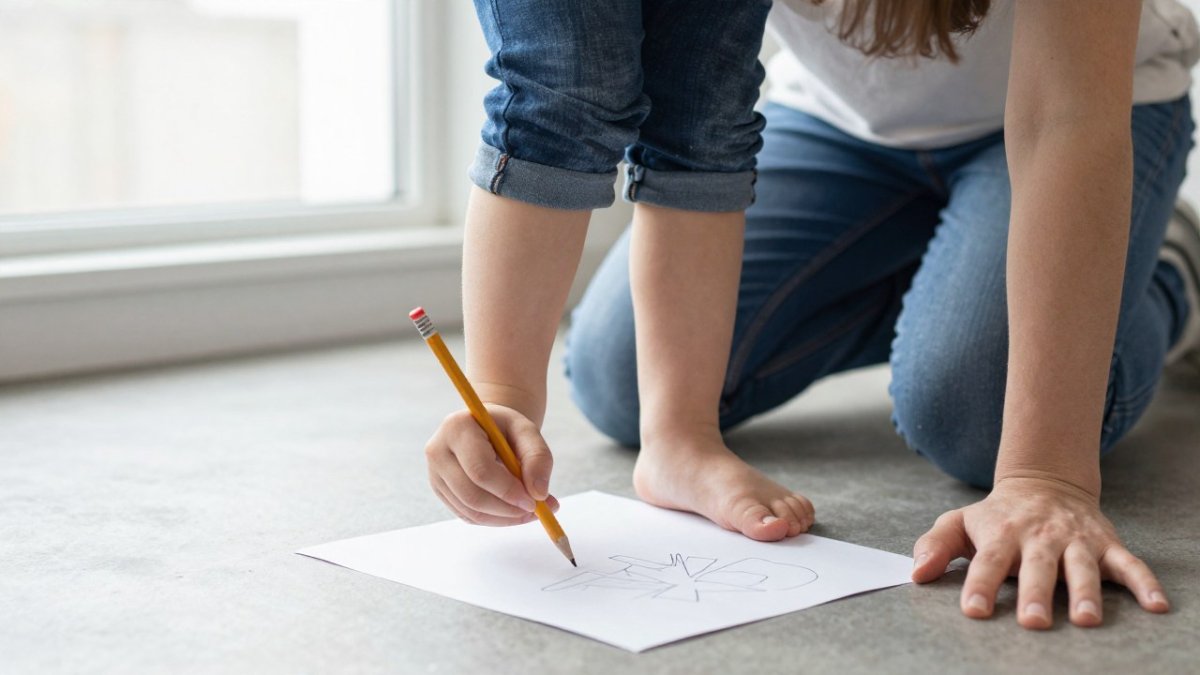
Stand your child on a sheet of paper against a wall, with weight evenly distributed on both feet. Trace the outline of each foot, keeping the pencil upright, then measure the longest distance from heel to toe and the widest point across the ball of the foot.
Once you have both numbers, compare them with the size chart of the brand you are considering, since sizing varies between manufacturers. Measure again every few months, as toddler feet grow quickly (Monitoring Your Child’s Orthotic Prescribed Footwear - PIL1392 version 2).
How Much Room Should Toddler Shoes Have at the Toes
Toddler shoes should have roughly a thumb's width of space between the longest toe and the front of the shoe. This gives room for the toes to spread and move as the child walks, runs and climbs, and it leaves a small allowance for growth between fittings.
The measurement only means something if the child is standing. When a toddler sits, the foot slides back and the toes curl slightly, so a shoe that feels roomy seated can be tight standing. Always check with weight on both feet and the child upright.
Press your thumb into the shoe with the child standing to check the gap. If you cannot fit a thumb's width, the shoe is probably too short.
Checking Toe Room Properly
A thumb pressed down from the top of the shoe measures depth, not length, so use two checks together. First, press the thumb against the front of the shoe from the outside while the child stands, feeling for the longest toe underneath. Second, ask the child to walk a few steps and watch whether the toes stay clear of the front or bunch against it.
Watch out: pressing from the top can miss a short shoe if the toe box is deep, because the toe has room above it but not in front. The walking check catches this.
Toe room also depends on the shape of the front of the shoe. A rounded toe box keeps space in front of the longest toe, while a tapered or pointed toe box narrows that space even when the length is correct.
How Toe Room Interacts With Heel Fit
Toe room and heel fit work against each other. If the heel is loose, the foot slides forward on every step and the toes hit the front even when the shoe is the right length. If the heel is secure but the shoe is too short, the toes curl and the child may walk on the front of the foot.
Check the heel by holding the shoe at the back while the child walks and feeling whether the heel lifts. A small amount of lift is normal in a flexible shoe; a heel that rises clear of the sole with each step means the closure or the heel counter is not holding the foot.
Rechecking Toe Room as the Foot Grows
Toddler feet grow in bursts, so a shoe that fitted at purchase can become short within a few months. Recheck the thumb-width gap every four to six weeks, and sooner if the child starts pulling at the shoes, stubbing toes, or refusing to walk in them.
When you recheck, measure the foot again rather than relying on the size on the box. Brand sizing varies, and a child who has moved up half a size in one brand may need a different size in another. Keep a note of the date and the measurement so you can see the pattern of growth and replace shoes before they become tight.
Choosing Toddler Shoes for Wide Feet and High Insteps
Look for a wide toe box, a flexible sole and a secure closure such as Velcro or laces. A toe box that is wide and reasonably deep lets the toes sit naturally, while an adjustable closure lets you tighten the fit across the instep without squeezing the top of the foot.
Options in this category include:
- Best Barefoot Shoes For Toddlers | Affordable Wide Width Kids Sneakers, priced at £33.25. Best for: parents looking for a flexible, everyday shoe. Skip if: your child needs a firm, structured shoe for ankle support.
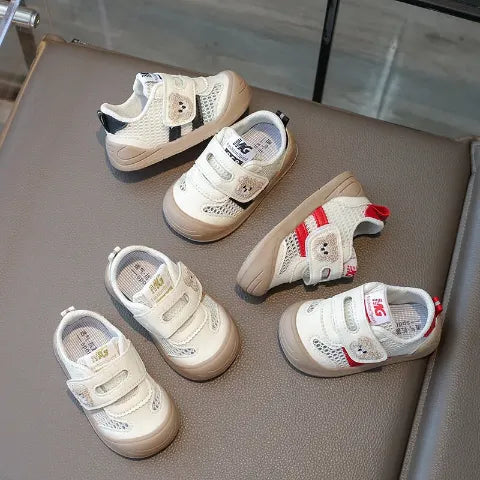
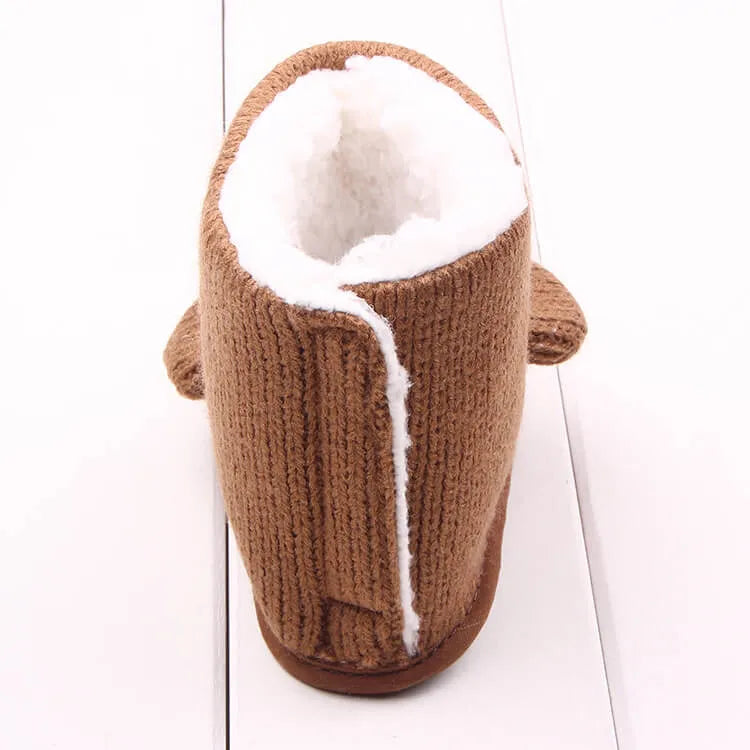
- Flexible Sole Toddler Shoes | Lightweight Baby Shoes, priced at £17.20, which use a Velcro strap for easy dressing. Best for: first walkers who need quick, easy dressing. Skip if: you want a shoe with a laced, structured heel.
- Unisex Soft Bottom Casual Mesh Sneakers | Breathable Shoes For Toddlers, priced at £23.17, with a lightweight, breathable mesh upper and a flexible sole. Best for: warm weather and active play. Skip if: you need waterproof protection.
For a closer look at materials and when a more expensive shoe is worth it, see our comparison of leather toddler shoes.
Telling Wide Feet Apart From High Insteps
Wide feet and high insteps are not the same thing, and treating them as one problem is the most common reason a pair that seemed right in the shop ends up pinching.
Width is the measurement across the ball of the foot, from the base of the big toe to the base of the little toe.
Instep height is the distance from the sole to the top of the foot across the arch.
Overall volume combines both: a foot can be average width but tall, or wide but shallow.
A practical way to separate the three is to check where the marks appear after a walk. Redness or rubbing at the sides of the ball of the foot points to a width problem.
Matching Shoe Features to the Problem
Once you know which dimension is tight, match the feature to it rather than buying a bigger size and hoping. For width, prioritise a toe box that stays broad to the tips and a sole that does not narrow under the arch.
A neutral way to compare styles is to line up four features side by side: toe-box shape (rounded and broad versus tapered), internal depth (shallow versus deep), sole flexibility (bends at the ball versus rigid), and closure (fixed versus adjustable). Two shoes in the same length and width can differ on all four, which is why trying one pair in one brand tells you very little about another.
Prices of featured toddler shoes
Signs Toddler Shoes Are Too Small
Watch for red marks on the toes or heel after the shoes come off, toes curled against the front, complaints of pain, or a child who suddenly refuses to wear the shoes. Many parents also notice that the child tries to pull the shoes off more often. Any of these signs suggests the shoes need replacing or resizing.
A Repeatable Fitting Checklist for Every Purchase
Use this checklist each time you buy shoes:
- Measure both feet at home, standing, in the last few months
- Check the brand's size chart rather than assuming your usual size
- Confirm a wide width is available if your child's feet are broad
- Press a thumb's width of space at the front of the shoe
- Check the heel stays in place when the child walks
- Confirm the sole bends easily where the foot bends
- Check the closure holds the foot without squeezing the top
Use this quick reference to compare the key checks at a glance before you buy.
| Check | What to look for | Why it matters |
|---|---|---|
| Measurement | Both feet, standing, measured in the last few months | Fit to the larger foot |
| Toe room | A thumb's width in front of the longest toe | Room to spread and move |
| Heel fit | Heel stays in place when the child walks | Stops the foot sliding forward |
| Sole | Bends easily where the foot bends | Suits early walkers |
| Closure | Holds the foot without squeezing the top | Avoids pressure on the instep |
| Width | Wide width available if feet are broad | Prevents squeezed forefoot |
Checking Fit After Purchase and During Wear
Check the fit within the first week by letting your child walk around the house, then check again after a few outdoor sessions. Look for rubbing, toes pressed forward, or heels lifting. Remove the insole if one is fitted and check the foot shape beneath. Keep an eye on the shoes over the coming months, because a shoe that fitted well at purchase can become too small quickly during growth spurts.
Booking Your Toddler's Next Pair of Shoes
Choosing the right pair takes a little checking, but it pays off in comfort and fewer returns. Once you know your child's measurements and the features that suit their feet, you can shop with confidence. Browse the Best Barefoot Shoes For Toddlers | Affordable Wide Width Kids Sneakers at Chez-Suzieaby, priced at £33.25, to find a wide-fitting, flexible pair, then use the checklist above to confirm the fit before you add to cart.
Frequently Asked Questions
How do I measure my toddler's feet for shoes?
Stand your toddler on a sheet of paper against a wall, with heel touching the wall. Trace each foot, marking the longest toe and the widest point across the ball of the foot. Measure from the wall to the longest toe for length, and across the widest point for width, in millimetres. Measure both feet, since they often differ, and fit the shoe to the larger one. Re-measure every few months, because toddler feet grow quickly and can change shape as they do.
How can I tell if toddler shoes are wide enough?
Look for a shoe that allows the ball of the foot to sit flat across the sole without the upper pressing in on the sides. The toes should have room to spread and wiggle, and the shoe should not feel tight across the top of the foot. Check that the widest part of the foot lines up with the widest part of the shoe. If the upper creases or your child's toes curl over the edge, the shoe is too narrow. Wide-width styles from Chez-Suzieaby, such as the Best Barefoot Shoes For Toddlers, are available.
Should toddler shoes have extra room at the toes?
Yes, a thumb's width, roughly 10 to 12 millimetres, of space beyond the longest toe is generally recommended. This gives room for growth and natural toe movement while walking. Too much room is also a problem, because the foot can slide forward and the heel can lift, causing trips. The heel should stay secure while the toes have space to move, so a shoe with a Velcro strap, such as the Flexible Sole Toddler Shoes, can make dressing easier.
What type of shoes work best for toddlers with wide feet?
Choose shoes with a broad, rounded toe box, a flexible sole that bends at the ball of the foot, and a soft, breathable upper that gives without pinching. Adjustable closures such as hook-and-loop straps let you adjust the fit across the instep, which matters for children with high insteps. Lightweight designs that move with the foot suit early walkers. The Unisex Soft Bottom Casual Mesh Sneakers are an example of a lightweight, breathable style with a flexible sole.
